Introduction
Cannabis cultivation is both an art and a science, requiring knowledge, precision, and dedication. With the increasing legalization of cannabis worldwide, many people are diving into growing cannabis, whether for personal use or commercial purposes. While it may seem straightforward to grow a plant, cannabis cultivation involves several important steps and factors that affect the quality, potency, and yield of the final product. In this guide, we’ll explore everything you need to know about cultivating cannabis, from selecting seeds to harvesting the buds.
Choosing the Right Cannabis Strain
Before you begin cultivation, selecting the right strain is crucial. Cannabis plants can be broadly classified into three categories: Indica, Sativa, and Hybrid.
Indica strains tend to have shorter flowering times, grow shorter and bushier, and are known for their relaxing effects. They’re often preferred by those with limited indoor space or colder outdoor climates.
Sativa strains generally grow taller and have longer flowering times. These plants are known for their uplifting and energizing effects. Sativa plants are ideal for outdoor growth in warmer climates due to their size and height.
Hybrid strains combine characteristics of both Indica and Sativa, offering a balance between the two. Hybrids are popular for offering a wide range of effects, flavors, and growth patterns.
It’s essential to consider your growing environment (indoor vs. outdoor), climate, and the effects you’re seeking when selecting the strain for cultivation.

Cannabis Cultivation Methods:
Indoor vs. Outdoor
Once you’ve chosen your strain, the next decision is where you’ll cultivate your plants. There are two primary methods of cannabis cultivation: indoor and outdoor. Each has its advantages and challenges.
- Indoor Cultivation
Control: Growing indoors allows for complete control over light, temperature, humidity, and other environmental factors. This can lead to higher-quality buds, as you’re not at the mercy of changing weather conditions.
Lighting: Indoor growers typically use LED, HPS (High-Pressure Sodium), or CMH (Ceramic Metal Halide) lights to mimic the sun. Proper lighting is crucial for healthy plant growth, so understanding the appropriate light spectrum and intensity is important.
Grow Space: Indoor spaces can range from small closets to large grow tents or entire rooms. Depending on the size of your setup, you’ll need to manage airflow, ventilation, and CO2 levels to maintain a healthy environment.
Cost: Indoor cultivation tends to be more expensive due to the cost of lighting, electricity, climate control systems, and other equipment.
- Outdoor Cultivation
Natural Elements: Growing cannabis outdoors leverages the power of the sun, natural air circulation, and natural soil. This method is more cost-effective and sustainable for growers with the right climate and space.
Seasonality: Outdoor growers must pay attention to the seasons and climate. Cannabis plants are photoperiodic, meaning they require a specific light cycle (typically 12 hours of darkness) to flower. Most growers plant in spring and harvest in late summer or fall.
Challenges: Outdoor cultivation is more susceptible to pests, extreme weather, and environmental fluctuations. However, it can result in larger yields if managed properly.
Germinating Cannabis Seeds
After choosing your strain and deciding on your grow method, it’s time to germinate your seeds. There are several techniques to get your seeds started, but the most common method is the paper towel method.
Steps to Germinate Cannabis Seeds:
Moisten two paper towels and place them on a plate.
Place your cannabis seeds on the moistened paper towel, leaving space between each seed.
Cover the seeds with another damp paper towel, and place another plate on top to create a dark, moist environment.
Wait 24 to 72 hours for the seeds to sprout. You’ll know they’ve germinated when you see tiny white taproots emerging from the seeds.
Once the seeds have sprouted, they’re ready to be planted in soil, hydroponic mediums, or whatever grow medium you’ve selected.
The Vegetative Stage
The vegetative stage is when the cannabis plant undergoes significant growth. During this phase, the plant focuses on developing strong roots, stems, and leaves, laying the foundation for the flowering stage.
Key Considerations for the Vegetative Stage:
- Light: If you’re growing indoors, keep your lights on for 18-24 hours a day during the vegetative phase. More light exposure promotes rapid growth.
- Temperature and Humidity: The ideal temperature range during this stage is between 70-85°F (21-29°C) during the day, with slightly cooler nighttime temperatures. Humidity levels should be between 40-70%.
- Nutrients: During the vegetative stage, cannabis plants need higher levels of nitrogen (N), moderate levels of phosphorus (P), and potassium (K). Use nutrient-rich soil or add fertilizers designed for this stage to promote healthy development.
- Pruning and Training: To encourage bushier growth and better light penetration, many growers use techniques like topping (cutting the top of the plant) or Low-Stress Training (LST) (bending branches to spread out the plant).
The Flowering Stage
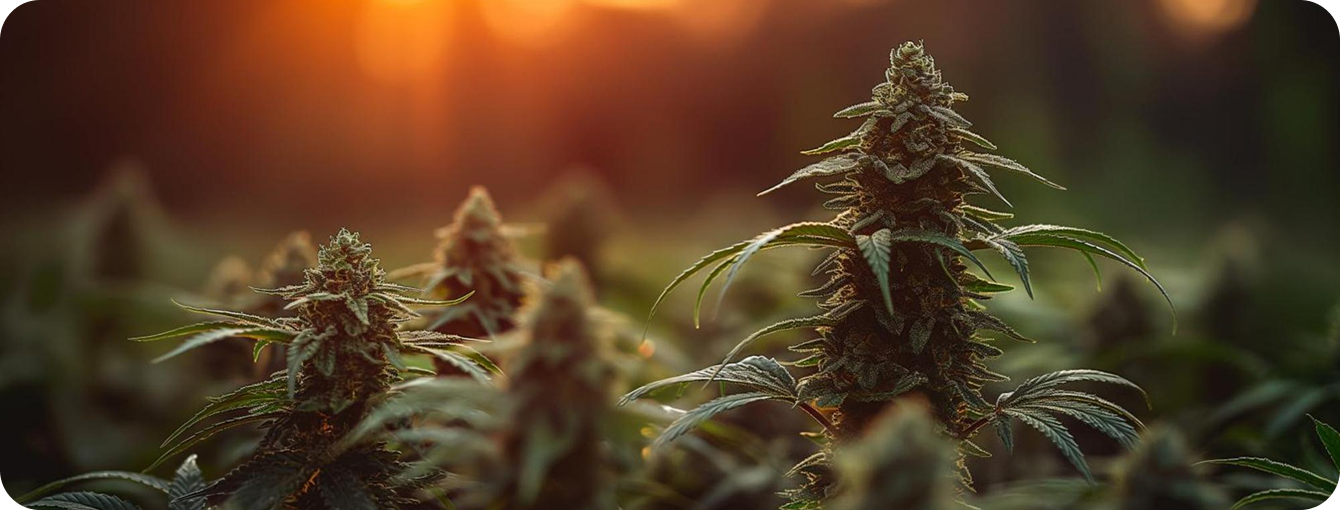
The flowering stage is when the cannabis plant begins to produce buds, which contain cannabinoids such as THC and CBD. This is the most crucial phase of cannabis cultivation, as it directly impacts the quality and potency of the final product.
Key Considerations for the Flowering Stage:
- Light Cycle: To trigger flowering in photoperiod plants, indoor growers must switch the light cycle to 12 hours of light and 12 hours of complete darkness. Outdoor plants will enter this stage naturally as days grow shorter in late summer.
- Nutrients: During flowering, cannabis plants require more phosphorus (P) and potassium (K) to support bud development. Reduce nitrogen levels to avoid nutrient burn and promote better bud formation.
- Temperature and Humidity: Keep temperatures between 65-80°F (18-26°C) and lower humidity levels to 40-50% to prevent mold and mildew.
- Support: As buds develop and grow heavier, you may need to provide physical support to your plants using stakes or trellises to prevent branches from snapping under the weight of the buds.
Harvesting Cannabis
Knowing when to harvest your cannabis plants is critical to obtaining potent, flavorful buds. Harvesting too early or too late can significantly affect the cannabinoid and terpene profile.
Signs Your Cannabis Is Ready to Harvest:
- Trichomes: Use a magnifying glass or microscope to inspect the trichomes (tiny resin glands on the buds). When they turn from clear to milky white or amber, it’s time to harvest.
- Pistils: The pistils (small hairs on the buds) will turn from white to orange or brown as the plant matures. When about 70-90% of the pistils have changed color, it’s a good indicator that the plant is ready to harvest.
- Leaf Yellowing: As the plant focuses energy on the buds, you may notice the fan leaves turning yellow. This is another sign that harvest time is approaching.
- To harvest, cut the plant down at the base, remove the fan leaves, and hang the branches upside down in a dark, well-ventilated room to dry.
Drying and Curing Cannabis
After harvesting, drying and curing are essential steps for preserving flavor, potency, and aroma.
- Drying:
Hang your cannabis branches upside down in a dark, cool room with a humidity level of around 50% and temperatures between 60-70°F (15-21°C). It typically takes 7-10 days for the buds to dry.
- Curing:
Once the buds are dry, trim them from the branches and place them in airtight jars. Store the jars in a cool, dark place and open them daily for the first week to allow moisture to escape. Curing for at least 2-4 weeks enhances flavor and potency.
Conclusion
Cannabis cultivation is a rewarding process that requires attention to detail, patience, and a deep understanding of the plant’s needs. From selecting the right strain and managing environmental factors to harvesting and curing, each step plays a critical role in producing high-quality cannabis. Whether you’re growing for personal use or commercial purposes, mastering these cultivation techniques will help you achieve the best possible results, yielding potent, aromatic, and flavorful cannabis.